

PCOD & PCOS Care
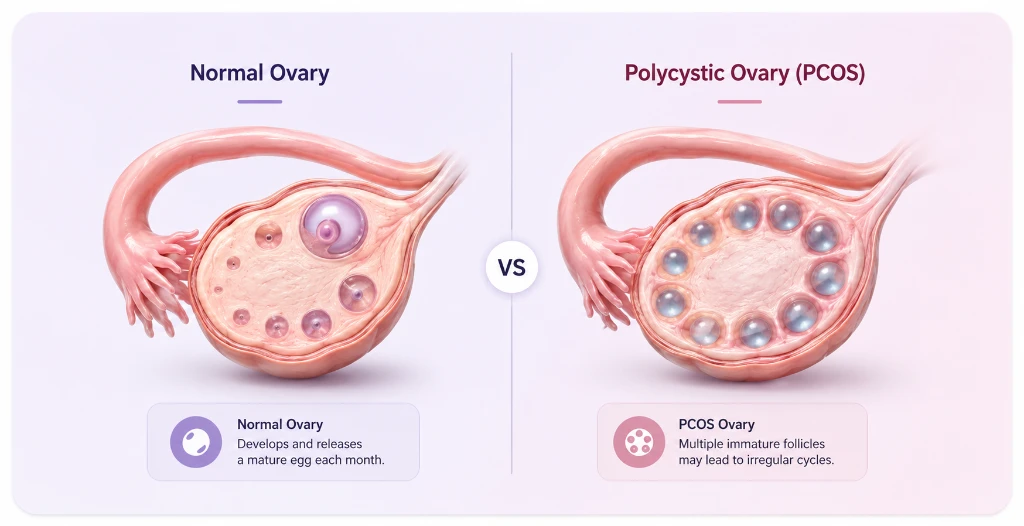
What is PCOD & PCOS Care?
Polycystic Ovarian Disease (PCOD) and Polycystic Ovarian Syndrome (PCOS) are highly prevalent endocrine and metabolic conditions affecting women of reproductive age. Driven by insulin resistance and hormonal imbalances, these conditions lead the ovaries to produce multiple fluid-filled follicles (cysts), which interrupt regular egg development. This can lead to irregular menstrual cycles, pelvic discomfort, unexplained weight gain, skin issues like severe acne, excessive hair growth, and difficulties with natural conception.
At Dr. Poonam's Women's Clinic, recognized as a leading hormonal wellness and gynecological center in Keshav Nagar and Mundhwa, we reject temporary quick-fixes. Dr. Poonam provides specialized, holistic medical care targeting the root metabolic causes of PCOD and PCOS. We focus on balancing insulin levels, correcting endocrine pathways, and restoring healthy ovulatory cycles naturally.
Because our clinic is a dedicated, single-doctor practice, you receive personal, unhurried consultations where your concerns are addressed in a private environment. Dr. Poonam designs customized lifestyle and medical plans to manage your symptoms safely and mends your long-term wellness.
PCOD vs. PCOS: Understanding the Difference
Although often used interchangeably, PCOD and PCOS are distinct conditions. Understanding these key differences is essential for effective treatment.
Polycystic Ovarian Disease (PCOD)
Hormonal Imbalance. Lifestyle Managed.
Mild hormonal imbalance where ovaries release immature, partially mature eggs.
Considered less severe. Ovaries still function relatively normally with proper care.
Women can often still ovulate and conceive naturally with basic lifestyle shifts.
Primarily affects the ovaries; exhibits minimal long-term metabolic health complications.
Managed successfully through exercise, target diets, and minor lifestyle revisions.
Polycystic Ovarian Syndrome (PCOS)
Endocrine Disorder. Medical Management.
Complex endocrine and metabolic disorder involving high androgen levels.
More severe, significantly disrupting the entire endocrine and metabolic pathways.
Leading cause of anovulatory infertility; requires ovulation induction and support.
Linked to insulin resistance, obesity, type 2 diabetes, and cardiovascular risks.
Requires medical management, lifestyle revisions, and insulin sensitizers.
Common Symptoms to Watch For
Irregular Periods
Infrequent, irregular, or prolonged menstrual cycles, which are often the first sign of anovulatory cycles.
Weight Gain
Rapid weight gain, particularly around the abdomen (visceral fat), which is closely linked to insulin resistance.
Excess Androgen
Elevated male hormone levels resulting in severe cystic acne, male-pattern hair thinning, and hirsutism.
Hirsutism
Excessive, dark facial and body hair growth, especially on the chin, chest, upper back, and abdomen.
Our Holistic Treatment Pathway
Our clinical method targets metabolic restoration. We guide patients in Keshav Nagar and Mundhwa through systematic hormonal stabilization.
Every treatment and procedure at our clinic is performed with the highest standards of safety, compassion, and expertise. Dr. Poonam ensures each step of your journey is carefully monitored and optimized for the best possible outcomes.
Expert Guidance
From your initial consultation through recovery, our dedicated team is here to support you with personalized care, ensuring your comfort and peace of mind at every stage.
Step 1: Diagnostics & Hormone Profiling
We conduct detailed hormone assays (LH, FSH, prolactin, fasting insulin, AMH) and high-resolution pelvic ultrasounds to evaluate follicular patterns and ovarian volume.
Step 2: Low-GI Indian Dietary Mapping
We design custom anti-inflammatory, low-glycemic dietary plans customized for Indian kitchens to prevent insulin spikes and balance hormones.
Step 3: Tailored Fitness & Activity Plans
We formulate active fitness guidance combining strength training and aerobic exercises to improve insulin receptor sensitivity and burn visceral fat.
Step 4: Targeted Medical Management
We prescribe evidence-based cycle regulators, insulin-sensitizing medications, or targeted ovulation induction protocols for patients attempting to conceive.
Lifestyle Shifts & Metabolic Support
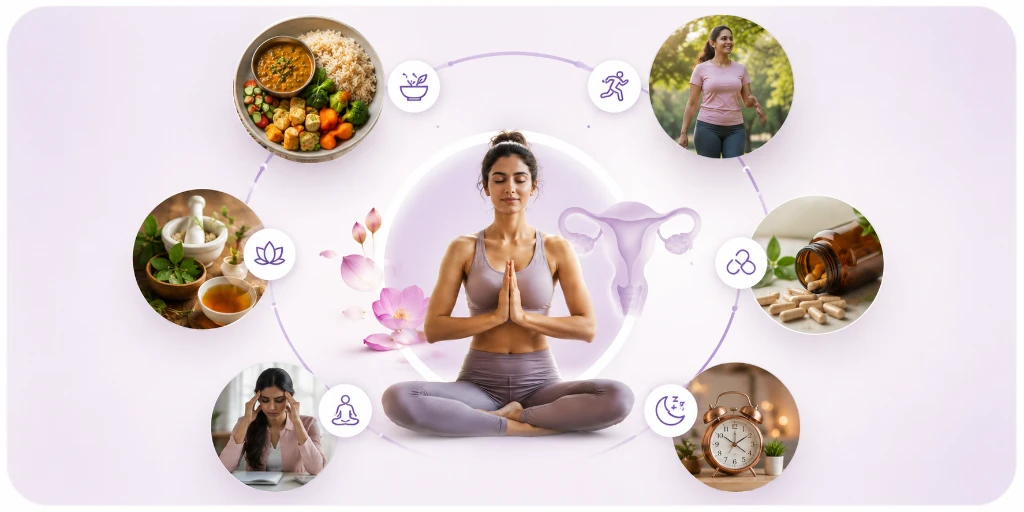
Addressing PCOS is a continuous lifestyle shift. Reversing metabolic resistance mends clinical outcomes.
Custom Dietary Mapping
Developing low-glycemic, anti-inflammatory whole-food meal plans adjusted for Indian kitchens to prevent insulin spikes.
Tailored Fitness Schedules
Guiding you on strength training and active workouts (150 minutes weekly) to burn abdominal fat and improve insulin sensitivity.
Precise Medical Interventions
Utilizing evidence-based insulin sensitizers, ovulation inductors, or cycle regulators based on your pregnancy plans.
Stress & Cortisol Control
Mitigating stress hormones through mindfulness, meditation, and healthy sleep hygiene to restore endocrine balance.
Regular Biochemical Audits
Tracking follicular growth (TVS) and conducting periodic hormonal checks to measure progress and adjust treatments.
Expected Treatment Milestones
Hormonal balance mends progressively. Here is what you can expect during your metabolic recovery journey under Dr. Poonam's care.
Metabolic Stabilization
Focusing on reversing insulin resistance through targeted lifestyle shifts. Stabilizing blood sugar levels halts fat storage and begins lowering excess androgen production.
Hormonal Cycle Reset
Restoring natural ovulatory cycles. Within 3-6 months of consistent habits and medical support, menstrual frequency mends and ovulation becomes regular.
Long-term Remission Support
Sustaining a symptom-free status. Regular checks prevent long-term endocrine complications, such as gestational diabetes, hypertension, or endometrial health issues.
Why Choose Dr. Poonam's Women's Clinic for PCOD & PCOS Care?
Google Rating
Based on 42 Reviews
- Root-Cause Metabolic ResetAddressing underlying insulin resistance and hormonal cascades rather than simply suppressing symptoms with temporary pills.
- Personalized Indian Lifestyle MapsProviding practical low-GI dietary charts and activity structures adjusted for daily Indian household diets.
- Focused Fertility RestorationTailoring follicle tracking and ovulation monitoring directly with Dr. Poonam for patients seeking natural conception.
Google Rating
Based on 42 Reviews
Frequently Asked Questions
The total cost of PCOD and PCOS care in Pune typically ranges between ₹3,000 and ₹8,000 for initial diagnostics, which include complete hormone assays (AMH, LH, FSH, thyroid, prolactin, fasting insulin) and high-resolution pelvic ultrasounds for follicle studies. Ongoing management, including regular follow-up consultations, metabolic checks, and lifestyle/dietary guidance, averages between ₹1,000 and ₹3,000 per month. Dr. Poonam provides a fully transparent breakdown of diagnostic and medical options during your initial consultation.
PCOD (Polycystic Ovarian Disease) is a common condition where the ovaries release immature or partially mature eggs due to a temporary hormonal imbalance, often managed effectively through diet and lifestyle shifts. PCOS (Polycystic Ovarian Syndrome) is a more complex endocrine and metabolic disorder involving elevated male hormone levels and insulin resistance, requiring medical treatment and long-term supervision to prevent metabolic complications.
Yes, both conditions can cause irregular periods and anovulation (lack of egg release), which is a common cause of infertility. However, natural conception is highly achievable. Under Dr. Poonam's guidance, lifestyle modification, weight loss, and low-dose ovulation induction medications successfully restore ovulation, allowing most patients to conceive naturally.
Losing just 5% to 10% of your body weight is highly therapeutic. It significantly reduces insulin resistance, lowers androgen (male hormone) levels, regulates menstrual cycles, clears up skin issues, and significantly improves natural ovulation and fertility rates.
PCOS is a chronic endocrine condition, meaning there is no permanent cure, but its symptoms can be highly controlled and put into remission. By maintaining healthy lifestyle choices, balanced nutrition, and appropriate medical support, you can live symptom-free and prevent long-term health risks.
It is crucial to avoid processed sugars, refined carbohydrates (like white bread, maida), sweetened beverages, deep-fried snacks, and excess dairy. These foods trigger rapid spikes in blood glucose, which worsens insulin resistance and amplifies hormonal imbalances.